ABA at the core, one roof over all of it
Clinic-based ABA therapy with parent training built in. For children in our ABA program who need them, speech and occupational therapy happen here too, with everyone working as one team.
ABA therapy
The skills that make daily life easier
Applied Behavior Analysis uses play, practice, and positive reinforcement to help kids learn new skills and shrink the behaviors that get in the way. If you walked into a session here, you would probably think your child was just playing. That is on purpose.
We focus on early intervention and work with children ages 1 through 15. Every program is written and supervised by a Board Certified Behavior Analyst.
Start With a Free ConsultationParent training
What works here should work at home
Therapy is a few hours a week. You are the rest of it. So we teach you the same strategies your child's team uses: how to head off a meltdown, how to make a routine stick, how to turn a car ride into practice.
No lectures and no homework packets. You sit in on sessions, practice with your BCBA, and leave with things you can actually do on a Tuesday night.
Speech therapy
Every child has something to say
Our speech therapists help kids communicate, whether that means words, gestures, signs, or a device. For a 3-year-old, that work looks a lot like play, because that is how young kids learn.
Speech here runs alongside ABA: it is added to the plan for children already in our program, not offered as a standalone service.
- 1Blowing bubbles. Pop! Your child starts saying it too.
- 2Playing with a toy farm. Moo! The therapist waits. Your child tries the sound.
- 3Rolling a ball back and forth. Taking turns. Building connection.
Occupational therapy
The everyday things that are not so easy
Holding a pencil. Sitting in a chair. Brushing teeth. Handling a change in plans. For some kids these things do not come naturally, and that is exactly where OT comes in. Like speech, OT is woven into the plans of children already receiving ABA with us rather than offered on its own.
Fine motor skills Holding a pencil, using scissors, buttoning a shirt.
Sensory processing Handling loud noises, bright lights, and crowded spaces.
Self-regulation Managing frustration and calming down after something unexpected.
Daily living skills Brushing teeth, eating with utensils, using the bathroom, getting dressed.
Body awareness Knowing where their body is in space so they stay in their chair.
Why it matters that we are all in one building
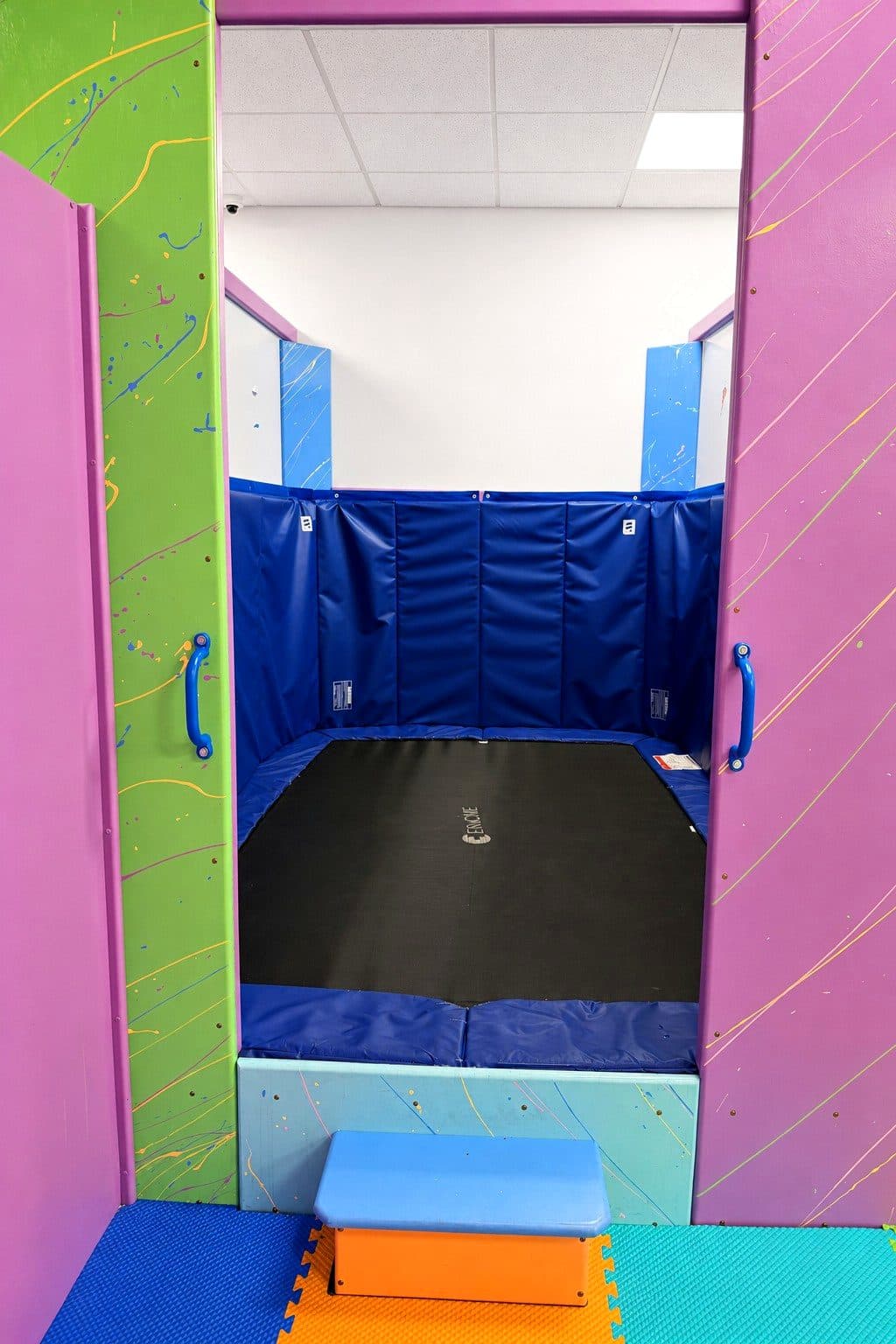
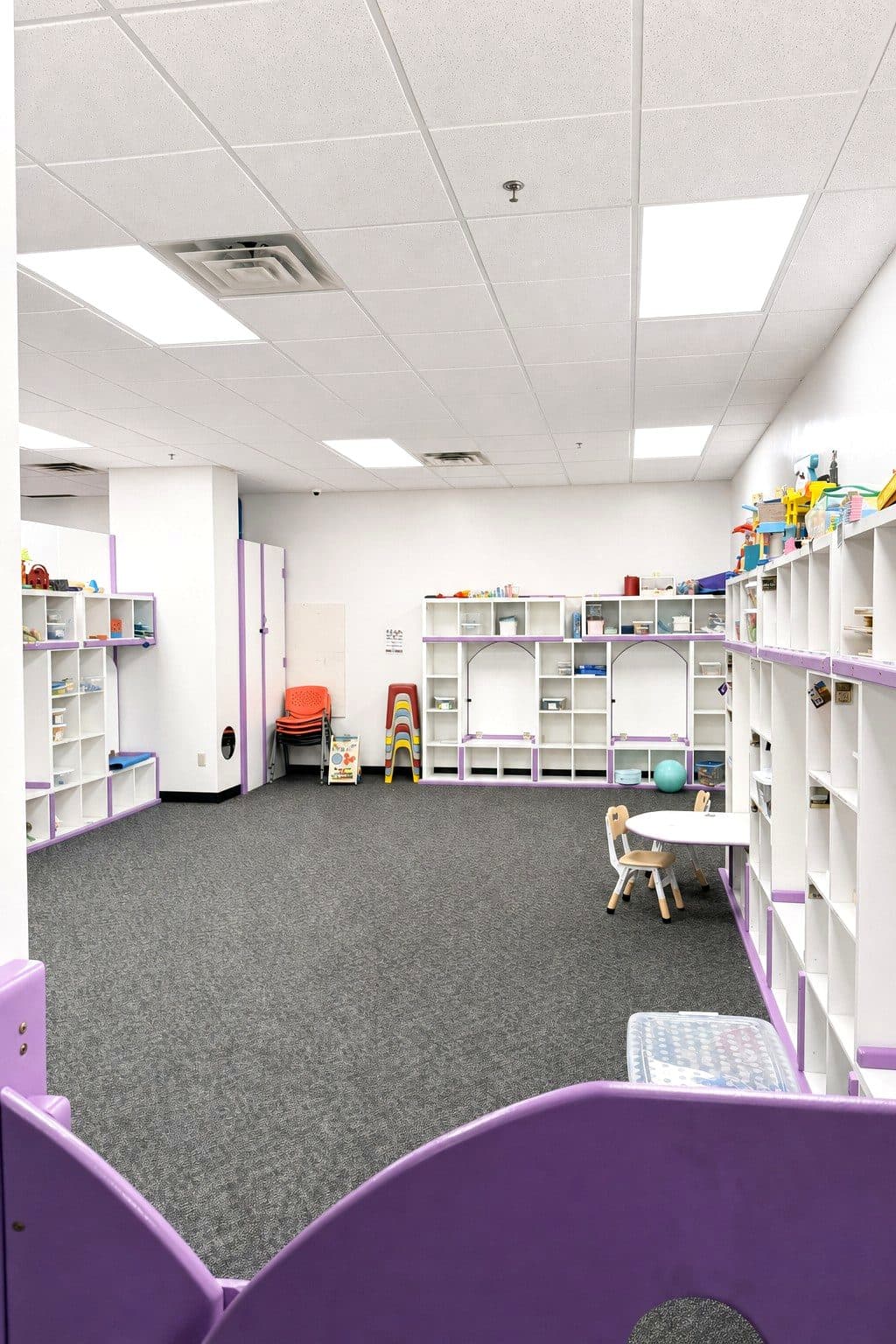
When your child's BCBA, speech therapist and OT share a hallway, they talk to each other, share notes, and adjust in real time. That is also why we do not offer in-home services: the clinic is where the team, the sensory gym and the other kids are.
Talk to us first. Decide after that.
One free call is enough to tell whether we are the right fit for your child. Ask about insurance, scheduling, or what a session actually looks like.
Schedule a Free ConsultationFree, no commitment, about 15 minutes. Or call (612) 607-3861.
Where we work
Families drive in from all over the south metro. Everything happens at our Eagan clinic, a short trip from any of these towns.
- Eagan
- Apple Valley
- Burnsville
- Rosemount
- Lakeville
- Inver Grove Heights
- Mendota Heights
- West St. Paul
3265 Northwood Circle, Suite 170
Eagan, MN 55121